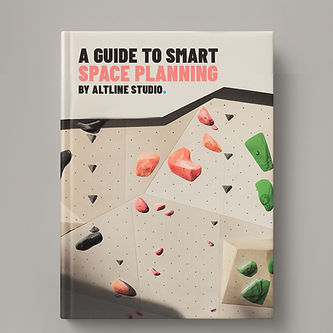
Design Your Climbing Gym:
A Guide to Smart Space Planning
Planning a climbing gym?
This free guide will help you every step of the way — from defining your vision to organizing zones and creating smooth movement flow. Packed with practical tips, diagrams, and expert insights, it’s your go-to resource for designing a gym that’s functional, safe, and inspiring.
Small Bouldering Gyms & Climbing Wall Design:
Maximising Space and Experience
Designing a small bouldering gym is all about making every square metre count. In this guide, we share practical strategies, building requirements, and layout tips to help you create a compact yet inspiring climbing facility. From smart space planning and climbing wall design to ventilation, lighting, and safety clearances — this article covers everything you need to know to maximise both space and atmosphere.
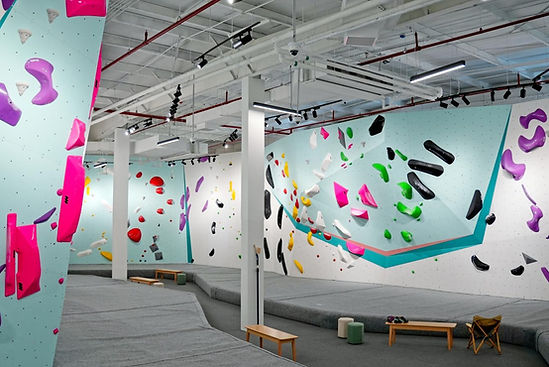
Designing Climbing Gyms Inside Shopping Malls:
Key Considerations and Challenges
Designing a climbing gym in a shopping mall comes with unique spatial and technical challenges. Fixed building systems, storefront visibility, and limited flexibility require smart space planning from the start.
In this article, we share key design strategies from real mall-based projects—focusing on layout, circulation, air quality, and storefront design—and how these decisions support both usability and commercial success.
Read the full article to learn how thoughtful design turns mall constraints into successful climbing gyms.

How to Plan a Climbing Gym:
3 Critical Design Risks
Early decisions in climbing gym planning influence structural feasibility, wall performance, and long-term operational efficiency.
This article examines three recurring design risks in climbing gym development—related to building evaluation, wall geometry strategy, and spatial logic—and explains how integrated planning supports durable, adaptable facilities.

Tips and Ideas
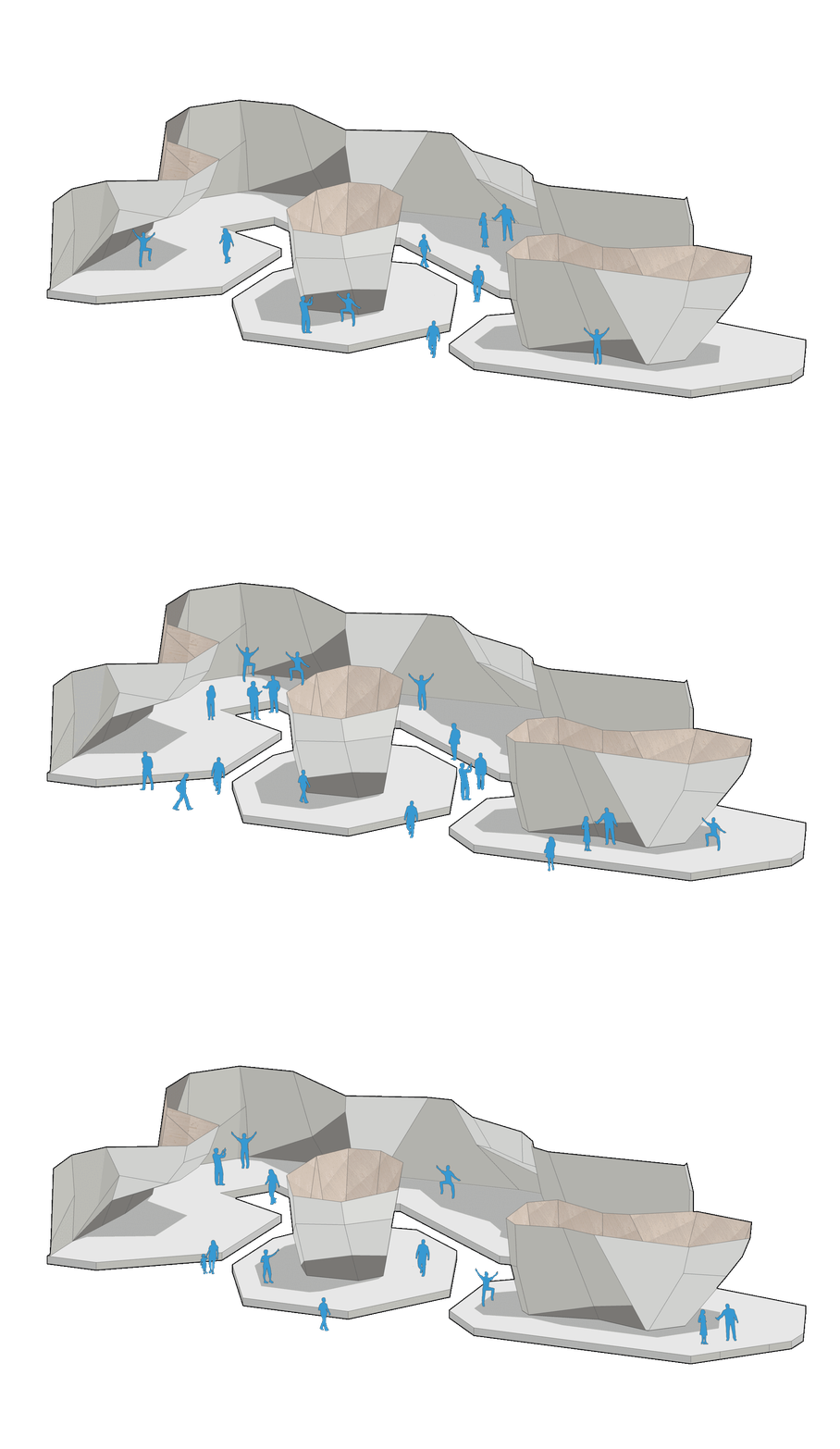
People Flow: Design for Smooth Movement
-
Safety First: Ensure adequate fall zones around climbing walls to keep climbers safe during dismounts. Clear and consistent crash mat coverage is essential.
-
Comfort: Design pathways wide enough between climbing structures to allow smooth movement while ensuring mats don't obstruct foot traffic. This keeps everyone—climbers and spotters—safe and comfortable.
-
Lounge Zones: Create larger openings along pathways. These spaces encourage socializing, hanging out, and observing without disrupting gym flow.
-
Pro Tip: The spaces around climbing structures are just as important as the walls. Remember, climbers spend half their time climbing and the other half watching or resting. Integrate seating, cubbies, and warm lighting to make these zones even more inviting.
Social Climbing: Building Community Spaces

-
Family-Friendly Zones: Include play areas for kids and comfortable seating for parents, making the gym enjoyable for all ages and stages.
-
Social Hubs: Create lounge spaces with cozy seating, Wi-Fi, and access to snacks or coffee. These areas encourage climbers to stick around, chat, and build community connections.
-
Relaxation Areas: Add zones for stretching, yoga, or quiet time. Not every visit is about climbing, and these spaces cater to those who want a well-rounded experience.
-
Co-Work Spaces: Designate areas with desks, outlets, and a quiet atmosphere for members who want to combine work and play. This makes the gym a versatile spot for productivity and climbing.
Climbing Wall Colors: Designing for Impact

-
Visual Centerpiece: Walls should enhance functionality and tie seamlessly into your gym’s overall aesthetic, making them both practical and visually cohesive.
-
Neutral Tones: Light colors like white, gray, or beige improve visibility of holds and create a clean, professional look.
-
Vibrant Accents: Use bold, strategic pops of color to energize key areas and reflect your brand identity.
-
Defined Zones: Contrasting colors help distinguish sections, like beginner or competition areas, without overwhelming the space.
-
Textured Finishes: Mix painted walls with natural plywood or printed textures to add depth and variety while maintaining a modern, unified design.

COMING SOON
Climbing Gym Design Trends:
Innovate Your Space
Discover the Latest Innovations in Climbing Gym Design!
Stay ahead of the curve with our exclusive guide, "Climbing Gym Design Trends: Innovate Your Space".